
Ethnic Hostility and Exclusion
West Side StoryThis flow follows the prejudices that mark Puerto Rican residents as outsiders and shape both the gangs' conduct and the lovers' choices.
increasing Bearing strength in each event
 decreasing
Bearing strength in each eventdecreasingNewcomers Blamed
Newcomers Blamed
Public Anxiety
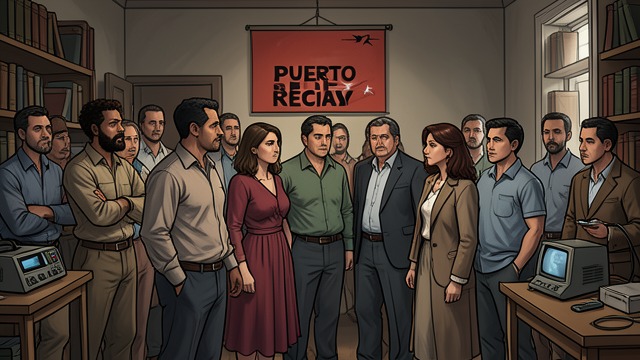
The neighborhood's poor housing and neglect create fears about scarce space and security. Rather than address landlords and civic failures, many residents direct resentment toward Puerto Rican newcomers.
A Distorted Explanation
The gangs are treated by some residents as defenders of the old neighborhood. That account normalizes exclusion and obscures the violence they inflict on the people they claim to be resisting.
Bernardo's Defensive Hatred
Bernardo's Defensive Hatred
A Hostile Welcome
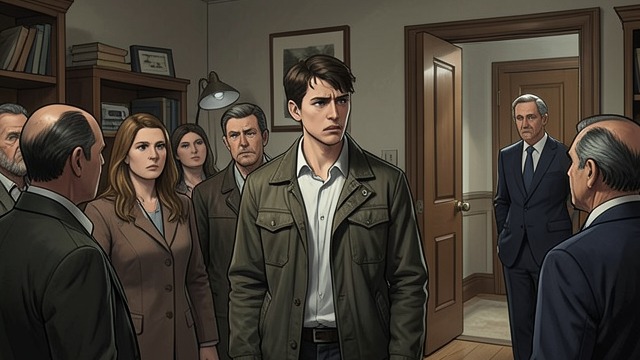
Bernardo experiences the city as a place that refuses to make room for him. His resentment toward the Americans is tied to fear, humiliation, and the precarious position of his community.
Reproducing the Divide
He responds to exclusion with his own sweeping hostility and seeks to control Maria's movements. His protective claims become another way of restricting the freedom he believes his community lacks.
A Dance Divided by Race
A Dance Divided by Race
Separate Sides
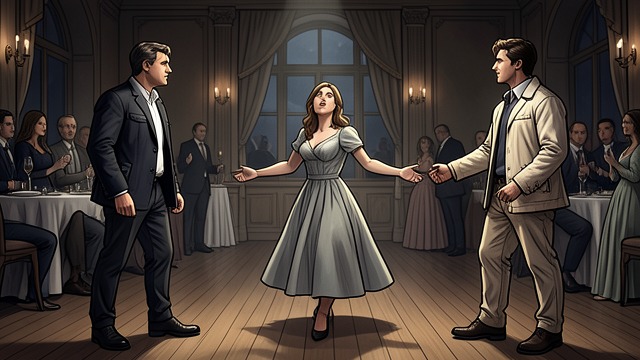
Jets and Sharks initially occupy opposite sides of the dance floor. The separation turns a public recreation space into a visual map of ethnic and gang division.
Personal Contact
Maria Nunez dances with Tony Wyzek, challenging the assumption that the groups must remain socially separate. Bernardo's reaction makes the intimacy a direct test of the boundaries the community enforces.
Names and Belonging
Names and Belonging
Labels as Weapons
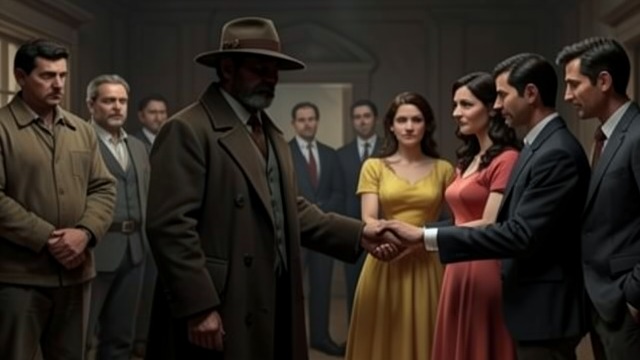
Tony Wyzek is treated as a Polish outsider despite being American-born, while Puerto Rican identity is used to mark Maria and Bernardo as foreign. The labels simplify people into opposing categories.
Maria's Counterclaim
Maria argues that choosing to live in America makes someone American, whether or not they were born there. Her belief opens a moral alternative to the exclusion both gangs perpetuate.
Prejudice Outlasts the Lovers
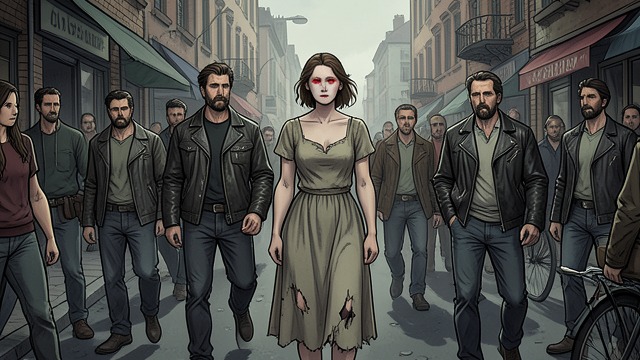
Prejudice Outlasts the Lovers
Individual Loss
Tony Wyzek and Bernardo die, and Maria Nunez is left bereaved. Their deaths show how ethnic suspicion becomes personal violence rather than remaining an abstract opinion.
Wider Continuity
The city continues after the tragedy, and most residents remain unaware of it. The ending implies that the social conditions and prejudices behind the conflict will persist beyond the people consumed by them.
Before the gang conflict escalates
Before the dance
At the municipal dance
During the rooftop conversation after the dance
At the ending
